
A successful earthmoving project starts with selecting machinery that suits the worksite and the tasks involved. For Australian builders, landscapers and contractors considering construction equipment rental, understanding when to use an excavator or a skid steer loader can help with planning, budgeting and equipment selection.
Although both machines are used for construction and site preparation, they serve different purposes. Excavators are mainly designed for digging and reaching below ground level, while skid steer loaders are commonly used to load, carry and distribute loose materials.
The right choice depends on more than machine size. Excavation depth, load requirements, ground stability, access restrictions and attachments all influence equipment suitability.
This guide explains the main differences and what to consider before arranging equipment hire.
Construction equipment rental provides temporary access to machinery for construction, excavation and landscaping projects.
However, choosing suitable equipment requires understanding how each machine operates.
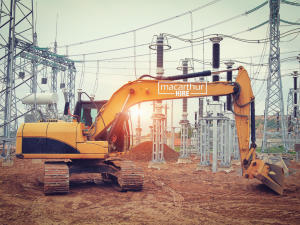
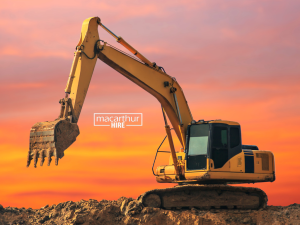
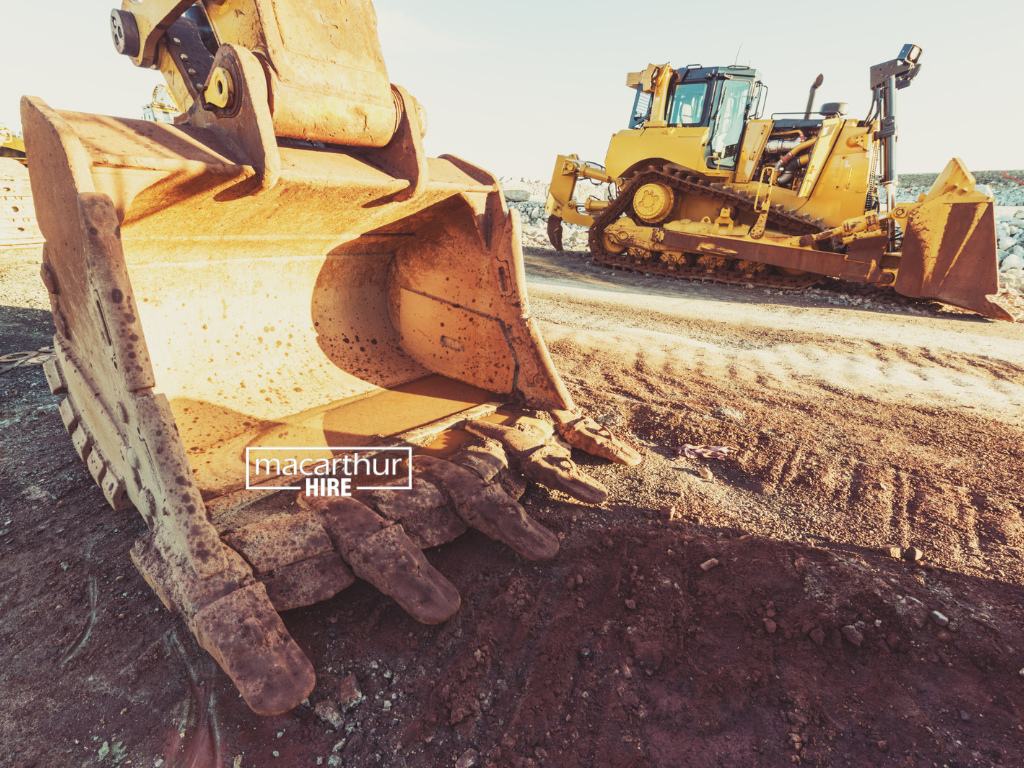
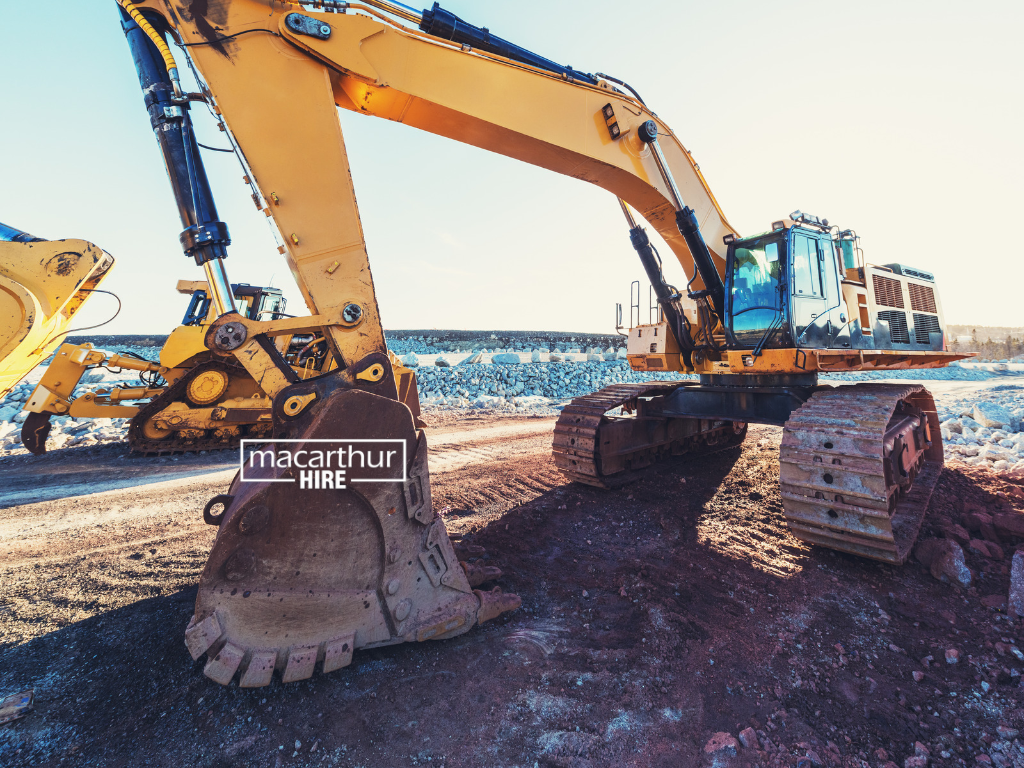
An excavator has a boom, digging arm and bucket that allow it to remove soil below ground level and position materials within its operating limits.
A skid steer loader uses a front-mounted bucket or compatible attachment to lift, carry and distribute suitable materials.
Both may assist with site preparation, but they are not interchangeable for every task.
For example, digging a trench and transporting stockpiled soil involve different machine capabilities.
Identifying the main activity helps narrow the available equipment options.
An excavator’s rotating upper structure allows the operator to work across part of the site without continuously moving the machine.
Its digging depth and reach depend on the specific model.
A skid steer loader is designed to move across suitable ground while collecting and transporting materials using its attachment.
This makes it useful for repeated loading and short-distance material movement.
Excavators can also handle suitable materials, while certain skid steer attachments can support specialised tasks.
However, each machine has operating limits.
Customers should assess what needs to be excavated, lifted or transported before deciding which equipment is appropriate.
Excavators are commonly selected for jobs involving excavation below the existing ground surface.
These include trenching, preparing suitable footings, removing soil and shaping excavation areas.
Their boom and arm arrangements provide controlled digging reach, although the actual capability varies between models.
When researching excavator hire Macarthur, customers should compare the required digging depth, machine dimensions, operating weight and available bucket options.
A Kubota excavator may be appropriate for certain excavation projects.
Macarthur Hire lists the Kubota U55-4 within its published excavator range.
Customers should check the model’s specifications and current availability before booking.
The machine should be selected according to the excavation requirements, not simply because it is a familiar model.
Skid steer loaders are particularly useful when materials need to be collected, moved and distributed across a suitable worksite.
They are commonly used for shifting soil, gravel, sand and other appropriate loose materials.
A front-mounted bucket can support repetitive loading tasks, provided the load remains within the machine’s rated capacity.
For example, an excavator may remove soil from a trench, while a skid steer transports the excavated material to a designated area.
Using both machines may be practical for some projects, although it is not always necessary.
When comparing construction equipment rental options, consider whether the job primarily involves digging, material movement or a combination of both.
This approach helps match machinery to the actual workload.
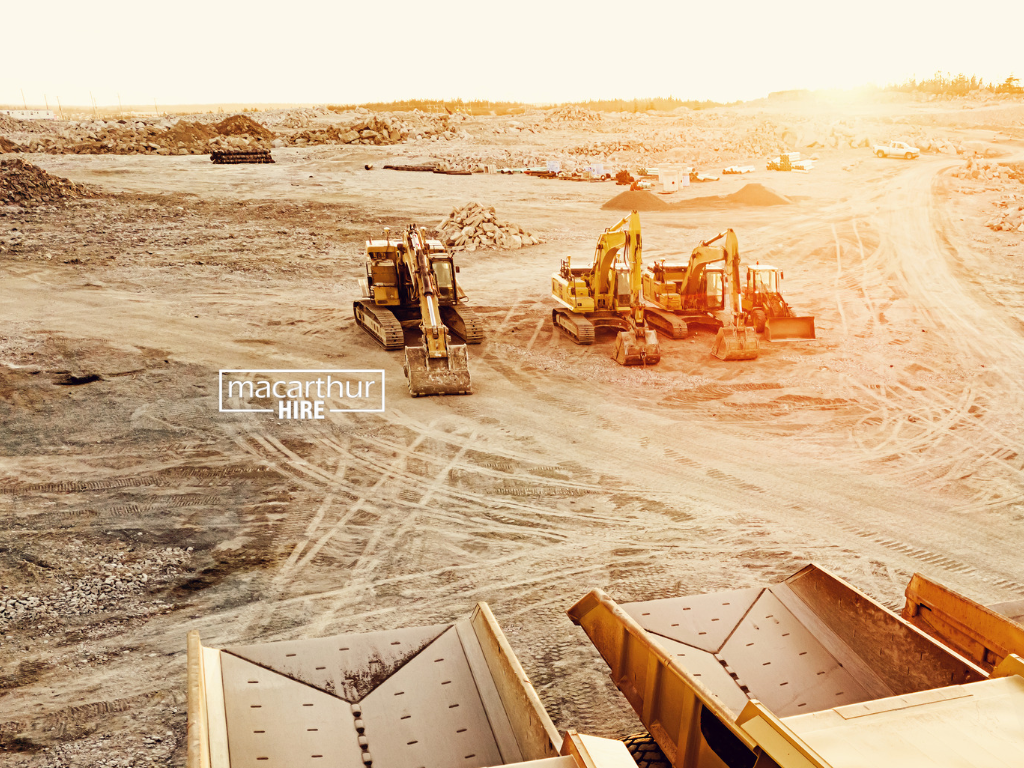
A machine may be suitable for the task but unsuitable for the available access.
Construction sites around Camden, Campbelltown and the wider Macarthur region can include narrow entrances, restricted driveways and nearby structures.
Before booking construction equipment rental, check the width and condition of the proposed access route.
Excavators require sufficient clearance for their boom, arm and rotating structure.
Skid steer loaders need space for steering, manoeuvring and operating attachments.
The entire working area matters, not just the entrance.
Delivery vehicles also need appropriate access for unloading machinery.
Accurate site measurements and photographs may help the supplier understand potential restrictions.
Earthmoving machinery must operate on ground capable of supporting the machine and its intended load.
Soft soil, steep slopes, muddy surfaces and uneven ground can affect stability and traction.
Tracked excavators, wheeled skid steer loaders and compact tracked loaders have different operating characteristics.
However, no machine should be assumed safe simply because it has tracks.
Ground bearing conditions, manufacturer limits and nearby hazards must be assessed.
For customers comparing equipment rental Macarthur options, it is helpful to explain whether the site contains soft ground, uneven access or other challenging conditions.
These details can influence which machine is suitable and how it should be operated.
Different excavation tasks may require different attachments.
A general digging bucket can be suitable for removing soil, while a narrower trenching bucket may be preferred for certain excavation dimensions.
Grading buckets can assist with shaping appropriate surfaces.
Compatible augers may also be used for drilling suitable post holes.
However, attachments must match the machine’s hydraulic requirements, dimensions and operating capacity.
Availability can vary between hire providers.
When enquiring about construction equipment rental, customers should specify the work involved and confirm which attachments are included.
A compatible attachment may improve versatility, but it does not remove the machine’s operating limits.
Skid steer loaders commonly operate with general-purpose buckets.
These can assist with collecting, carrying and depositing loose materials.
Compatible pallet forks may be used for suitable lifting and handling tasks, while other attachments may support surface preparation.
Each attachment changes how the machine handles loads.
The combined weight of the attachment and material must remain within the manufacturer’s relevant limits.
Load position, ground conditions and safe working practices also matter.
Before hiring, explain the type of material being moved and whether specialist attachments are required.
The supplier can then confirm what equipment and attachments are available.
Rental pricing depends on the machine selected, the duration of hire and any additional services required.
Businesses researching equipment hire Macarthur should compare quotations based on their complete requirements.
Daily and weekly prices may differ, while attachments can affect the total charge.
Delivery, collection, fuel arrangements and cleaning conditions should also be checked.
Some agreements may include damage liability provisions or charges for late returns.
The cheapest advertised rate is not necessarily the most suitable option.
Construction equipment rental should be evaluated against the work the machine can complete and the overall hire conditions.
A clear quotation helps customers understand which costs are included before making a commitment.
Equipment hire arrangements may be offered as dry hire or wet hire.
Dry hire generally involves renting machinery without an operator.
Wet hire includes an operator as part of the agreed service.
Availability depends on the hire provider.
Businesses considering dry hire must ensure their operators have the necessary competence for the equipment and work involved.
Where an operator is needed, customers should ask whether the supplier provides that service.
The agreement should clarify responsibilities for operation, fuel, transport, maintenance reporting and applicable charges.
Understanding these conditions is an important part of construction equipment rental planning.
The equipment selection process should begin with a description of the proposed work.
For trenching and footing excavation, an excavator is generally a suitable machine to investigate.
For loading and transporting loose materials, a skid steer loader may be more appropriate.
Projects involving both activities may require different machinery at different stages.
Before selecting a machine, compare its dimensions, reach, operating capacity and compatible attachments.
A construction equipment rental provider can explain the specifications of its listed equipment and relevant booking arrangements.
Macarthur Hire offers equipment and vehicle rental services, including excavators within its published equipment range.
Customers can discuss project requirements and enquire about available options.
Specific machinery availability should always be confirmed.
When comparing suppliers, ask which machine model will be provided.
Confirm its working dimensions, operating specifications and attachment options.
Check whether delivery and collection are included in the quotation.
Ask about the hire duration, extension conditions and responsibilities for fuel and cleaning.
It is also important to understand any damage-related charges and procedures for reporting equipment faults.
If the project requires an operator, confirm whether that arrangement is available.
For construction equipment rental, clear communication about these details can reduce misunderstandings during the hire period.
A suitable provider should explain its rental conditions and help customers identify the information needed to assess equipment suitability.
Site preparation is an essential part of construction equipment rental.
Before digging, obtain underground asset information through Before You Dig Australia and follow applicable asset-owner requirements.
Utility plans may not identify the precise location of buried infrastructure.
Further investigation or verification may be required before excavation begins.
Other hazards include overhead powerlines, unstable ground, nearby structures and people working around machinery.
SafeWork NSW provides guidance on managing excavation and earthmoving plant risks.
Where activities are classified as high-risk construction work, an appropriate Safe Work Method Statement is required.
Machinery must also be operated by competent workers.
Ordinary excavator operation in NSW does not automatically require a high-risk work licence, although certain equipment or work activities can involve additional requirements.
Customers can prepare for equipment hire by gathering relevant project details.
Explain whether the work involves digging, loading, transporting materials or preparing ground surfaces.
For excavation, identify the required depth and approximate dimensions.
For material handling, provide details about the materials, estimated loads and distances involved.
Site access, ground conditions, preferred hire dates and attachment requirements should also be considered.
For construction equipment rental enquiries in the Macarthur area, customers can contact Macarthur Hire to discuss its published equipment range and confirm applicable hire arrangements.
An excavator is generally best suited to excavation work, while a skid steer loader is commonly chosen for moving and loading materials.
The final decision should reflect the project’s tasks, operating conditions and machinery specifications.
Reviewing these requirements before organising equipment hire can help Australian contractors select suitable machinery and prepare their worksites appropriately.