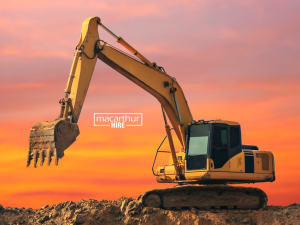



Hiring equipment can make a construction, landscaping, maintenance or property project easier, but only when the machine suits the work and the site.
People searching for equipment hire macarthur may need anything from compact earthmoving equipment to access machinery, compaction tools, trailers or smaller construction equipment. The right option depends on the job, available space, ground conditions, operator experience and how long the equipment will be needed.
Choosing only by price can create problems. Equipment that is too small may slow the work, while a machine that is too large may not fit through the available access or operate safely around buildings, fences and services.
This guide explains how to assess the project, compare equipment rental options and prepare the information a hire company needs before recommending suitable equipment.
The first question is not which machine looks most powerful. It is what the project actually requires.
A customer digging a shallow garden trench may need a different machine from someone preparing foundations, moving large quantities of soil or loading construction waste. In the same way, equipment used on a residential property may need to be more compact than machinery operating on an open commercial site.
A clear description of the task helps the hire company recommend equipment with suitable size, reach, lifting ability and attachments.
Begin by describing the work in practical terms. Explain whether you need to excavate soil, move gravel, lift materials, compact a surface, clear vegetation, reach a roofline or prepare an area for construction.
Include the approximate volume, depth, height or weight involved where possible. For example, saying that you need to dig a trench 600 millimetres deep is more useful than simply asking for a digging machine.
The type of material also matters. Loose garden soil, clay, compacted ground, concrete and demolition material place different demands on equipment.
Where lifting is involved, provide the approximate load weight and the distance it must be moved. Do not assume that a machine can safely lift a load because its bucket or platform appears large enough. Rated capacity, reach and site conditions must all be considered.
If several tasks are planned, explain each one. A different attachment or a second machine may be more practical than trying to complete everything with one item.
The hire period should allow enough time for delivery, setup, work, cleaning and collection.
A project that appears to require one working day may take longer when access is limited, material must be moved several times or other trades are working nearby. Weather can also interrupt outdoor projects.
Consider whether the operator will be available for the whole hire period. Hiring equipment before the site or operator is ready can result in the machine sitting unused while hire charges continue.
Short jobs may suit daily or weekend equipment rental. Larger projects may need weekly or longer hire arrangements. Ask whether longer hire periods use a different rate structure and what happens if you need to extend the booking.
It is usually better to discuss a realistic schedule with the supplier than to book the shortest possible period and assume an extension will always be available.
A suitable machine must be able to reach the work area and operate there safely.
Many hire problems occur because the customer measures only the job itself and not the route the equipment must take from the delivery point to the work zone.
Before booking equipment for hire in macarthur, inspect the complete site and record any restrictions.
Measure gates, driveways, paths and gaps between buildings. The machine width should not be estimated from a photograph.
Remember that mirrors, attachments, tracks and protective structures may affect the overall dimensions. Ask the hire company for the transport and operating measurements of the exact machine.
Check overhead clearance for trees, awnings, powerlines, garages and building entrances. Equipment may also need additional room to turn, rotate or extend a boom.
Delivery access is just as important. A truck or trailer may need a level unloading area with enough space to reverse or lower ramps safely.
Consider street restrictions, parked vehicles, narrow driveways and whether council approval may be needed if unloading affects a public road or footpath.
Where access is uncertain, send the supplier accurate measurements and clear photographs before confirming the booking.
Ground conditions influence machine stability, traction and the risk of surface damage.
Soft, wet or recently filled soil may not support the same equipment as firm, level ground. Slopes can also change how a machine should be positioned and operated.
Check for underground electricity, gas, water, sewerage, drainage and communication services before excavation begins. The required checks and permits depend on the location and nature of the work.
Overhead powerlines need particular attention when operating access equipment, excavators, loaders or machinery with raised components.
The site should also be assessed for pedestrians, workers, children, pets and vehicle movements. SafeWork NSW guidance emphasises that workplaces should identify mobile plant risks and separate vehicles from people where reasonably possible.
A hire company can explain machine features, but the person controlling the site remains responsible for identifying local hazards and creating a safe work area.
Different machines may appear capable of completing the same task, but their efficiency and site requirements can vary considerably.
The best choice should provide enough capacity without creating unnecessary access, transport or safety problems.
When comparing Equipment Hire, look at function, working range, dimensions and attachment compatibility rather than choosing only by machine category.
A compact excavator may be suitable for trenches, footings, landscaping and selected demolition work. Its usefulness depends on digging depth, reach, operating weight and available attachments.
A skid steer or compact track loader may suit loading, moving soil and working with attachments. However, turning style, ground pressure and site surface should be considered.
A small loader may be useful where materials must be moved repeatedly across a site. Access machinery may be required when workers need a stable elevated platform rather than a ladder.
Compaction equipment can include smaller plate compactors and larger rollers. The correct choice depends on the material, area and required compaction result.
Do not assume that a larger machine will automatically complete the work more efficiently. Larger equipment can require more delivery space, wider access and stronger ground support.
The hire company should confirm machine capability for the intended task. Where the job includes engineering, lifting or structural requirements, appropriate professional advice may also be necessary.
Attachments can significantly change what a machine is able to do.
Excavator attachments may include buckets of different widths, augers or breakers. Loaders may use buckets, forks or other compatible tools. The available range depends on the machine and hire supplier.
Ask whether attachments are included in the base rate or charged separately. Also confirm who is permitted to fit or change them.
Hydraulic attachments must be compatible with the machine’s flow, pressure and connection system. Using an unsuitable attachment can damage equipment or create an operating hazard.
Smaller equipment may require petrol, diesel, battery charging or access to mains electricity. Check the available power supply, cable requirements and whether fuel is included.
For battery-powered equipment, confirm expected operating time and charging arrangements. For fuel-powered machinery, ask about refuelling requirements and the fuel type specified by the supplier.
Hiring a machine does not transfer responsibility for safe operation to the hire company.
The hirer must ensure that the equipment is suitable for the work, the site has been assessed and the operator has the required knowledge, training or licence.
Safety requirements vary according to the equipment and activity, so they should be confirmed before the booking is finalised.
Some equipment can be operated after appropriate instruction and familiarisation, while other machines or activities require specific licences or competency evidence.
Ask the hire company what operator requirements apply to the selected equipment. This should not be treated as a substitute for checking current workplace safety and licensing rules.
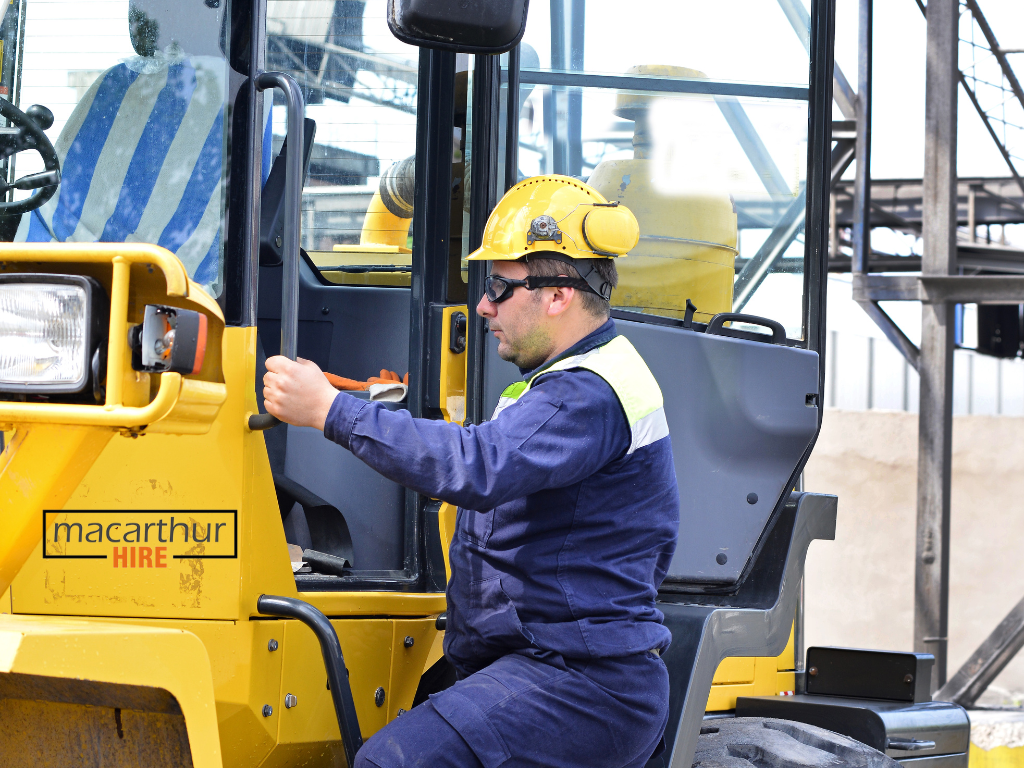
The operator should understand the controls, warning systems, emergency stop procedure and operating limits. They should also know how to inspect the equipment and report faults.
A person who has used one machine should not assume that every model operates in the same way. Control layouts, safety features and attachment systems can differ.
Where the operator is inexperienced, consider whether hiring an appropriately qualified contractor is safer and more practical than dry hiring the equipment alone.
A pre-start inspection should be completed before the equipment is used.
This may include checking tyres or tracks, fluid levels, guards, controls, warning devices, attachments and visible damage. Follow the inspection procedure provided for the specific machine.
Read the operating instructions and ensure required safety information remains with the equipment.
The work area should be clearly controlled. Keep unneeded people away and establish exclusion areas where machinery can move, rotate, lift or discharge material.
Stop using the equipment if a fault, leak, unusual sound or warning indicator appears. Contact the hire company and follow its instructions rather than attempting an unauthorised repair.
The equipment should only be used within its stated purpose and operating limits. Modifying safety devices or using the machine for an unapproved task can create serious risks and may breach the hire agreement.
The advertised daily rate may not represent the complete project cost.
Equipment rental macarthur pricing can include additional charges for transport, attachments, fuel, cleaning and extended use. The exact structure depends on the supplier and machine.
A useful comparison should place each quotation on the same basis.
Ask whether the quoted amount includes GST, delivery and collection.
Transport costs can vary according to equipment size, delivery distance and site access. A machine requiring a specialised truck may cost more to deliver than a small item collected by the customer.
Check whether attachments are included. A base machine may be priced separately from buckets, augers, breakers, forks or other accessories.
Fuel arrangements should also be clear. The equipment may need to be returned full, or the supplier may charge for fuel used.
Cleaning fees can apply when machinery is returned with excessive soil, concrete, paint or other material. Ask what condition is expected at return.
Damage waiver or damage-related charges should be reviewed carefully. A waiver does not always cover every type of loss, and exclusions may apply for misuse, theft, negligence or prohibited activities. Read the actual agreement rather than assuming it operates as full insurance.
The hire agreement should explain when the hire period starts and ends, who may operate the equipment and where it may be used.
Review responsibility for loss, theft, damage and security. Some machinery may need to be stored in a locked or controlled location when not in use.
Check the procedure for breakdowns and faults. The contract may require immediate reporting and prohibit unauthorised repairs.
Late return and extension terms should also be understood. Do not assume that keeping equipment for another day will automatically use the same daily rate or that the machine is available beyond the original booking.
Confirm what happens when weather prevents use. Hire charges may continue unless the supplier offers a specific arrangement.
Take note of the equipment condition when it is delivered or collected. Report existing damage immediately and retain the relevant paperwork or photographs.
A local supplier can be useful when equipment needs to be delivered, exchanged or inspected during the hire period.
However, location alone does not confirm that a business has the correct machine or support process.
When comparing Equipment Hire in Macarthur Region, assess equipment suitability, contract clarity and the supplier’s ability to answer practical questions.
Ask whether the exact machine is available for the required dates. Product categories shown online do not always reflect current stock.
The supplier should be able to provide important details such as width, operating weight, working height, capacity, fuel type and attachment options.
Ask how the equipment is checked and maintained between hires. Any specific maintenance or inspection claim should be confirmed with the supplier.
Practical advice is also a useful trust signal. A responsible hire company should ask about the job and site instead of recommending equipment only from a short description.
Macarthur Hire can be contacted when a customer needs help comparing equipment for a local construction, landscaping or maintenance project. Its current equipment range, availability and service coverage should be confirmed for the required booking.
Confirm whether the supplier delivers to your suburb and whether additional distance or access charges apply.
Provide an accurate delivery address, site contact, preferred time and information about unloading restrictions. Someone authorised to receive the equipment may need to be present.
Ask how collection is arranged and when the equipment must be ready. Delays can occur if gates are locked, access is blocked or the machine is not in the agreed location.
The supplier should also provide a contact process for faults or urgent questions during the hire. Check whether support is available outside ordinary business hours and whether additional charges may apply.
For projects around Macarthur, Camden, Campbelltown and surrounding areas, local delivery may simplify planning, but exact areas and timeframes must be confirmed before relying on them.
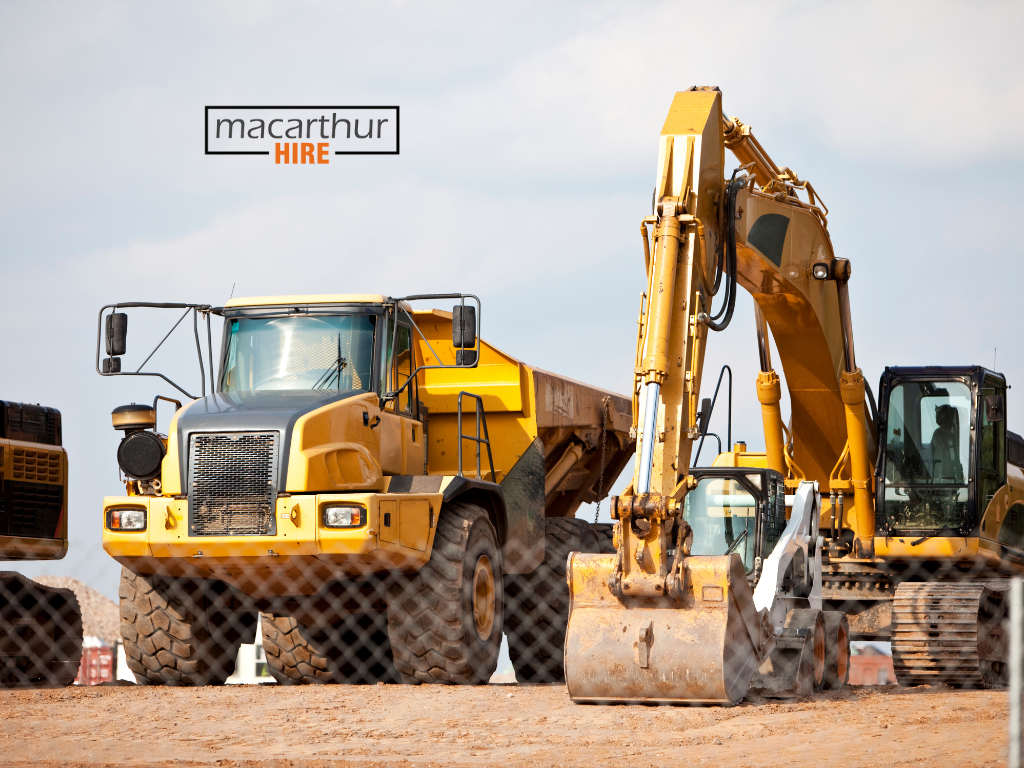
Contact the supplier before booking when the job involves uncertain access, difficult ground, lifting, excavation or specialised attachments.
A brief discussion can prevent the wrong equipment from being delivered and reduce the risk of delays on the project day.
The quality of the recommendation will depend on the information you provide.
Contact the hire company when you are unsure whether you need an excavator, loader, compactor, access machine or smaller tool.
Explain the task, material, dimensions and required result. Provide measurements of the narrowest access point and photographs of the route to the work area.
Mention slopes, soft ground, overhead obstacles and nearby services. Also explain whether the project is on a residential, commercial or construction site.
Where lifting is involved, provide the load weight and required reach. Where excavation is involved, provide the proposed depth and describe the ground if known.
Do not rely on a general statement such as needing a small machine. Equipment that seems compact may still exceed the access width or ground capacity of the site.
Before confirming equipment hire macarthur, review the machine, attachments, hire dates, price and delivery arrangements.
Confirm who will operate the equipment and whether any licence, training or competency requirement applies.
Ask what identification, deposit or account details are needed. Also check cancellation, extension, fuel, cleaning and damage conditions.
When contacting Macarthur Hire, provide the work description, site address, access measurements, preferred dates and any required attachments. This gives the team a clearer basis for recommending available equipment and preparing the booking.
Suitable equipment can make a job more manageable, but the decision should always begin with the work, site and operator. By checking these details before hiring, customers can compare equipment rental options more accurately and avoid preventable access, cost and scheduling problems.
Relevant internal linking opportunities include excavator hire, loader hire, access equipment, compaction equipment, landscaping equipment, trailers, delivery information, hire terms, safety guidance and the contact page.