


For many Australian businesses, deciding whether to hire or buy equipment is an important financial and operational decision. Construction companies, landscapers, contractors, transport providers, and growing businesses often need access to specialised machinery and vehicles to complete projects efficiently. However, owning equipment is not always the most practical solution.
This is where business equipment hire becomes valuable. Hiring allows businesses to access modern machinery and transport equipment when needed, without the long-term costs and responsibilities that come with ownership. Understanding when rental makes more sense than buying can help businesses improve cash flow, maintain flexibility, and respond more effectively to changing project requirements.
Many businesses are moving towards rental solutions because project demands can change quickly. Purchasing equipment often requires a significant investment, and there is no guarantee that the equipment will be used consistently enough to justify the expense.
By choosing business equipment hire, companies can access the machinery they need for specific projects while avoiding large upfront costs. This approach is particularly useful for contractors who manage multiple projects throughout the year and may require different types of equipment depending on the job.
Rental also allows businesses to use newer equipment without committing to ownership. As machinery technology evolves, hiring can provide access to modern equipment that may offer improved efficiency, safety features, and reliability.
Hiring equipment can help businesses expand operations without placing excessive pressure on budgets. Instead of allocating significant capital towards machinery purchases, funds can be directed towards staffing, marketing, inventory, or other business priorities.
This flexibility can be especially important for growing businesses that need access to equipment but want to maintain healthy cash flow. Rental arrangements also make it easier to respond to larger contracts or temporary increases in workload without making long-term financial commitments.
The purchase price is only one part of the total cost of ownership. Businesses also need to consider ongoing expenses such as:
Over time, these costs can add up significantly and affect overall profitability.
For small and medium-sized businesses, ownership costs can limit flexibility. Equipment that sits unused between projects still incurs expenses, while ageing machinery may require more frequent maintenance and repairs.
By comparison, hiring equipment allows businesses to pay for access when needed while avoiding many of the long-term responsibilities associated with ownership. This can make budgeting more predictable and reduce financial risk.
Equipment rental is often the preferred choice when machinery is required for a specific project or limited period.
Common examples include:
In these situations, hiring provides access to the required equipment without the need for a long-term investment.
Project requirements can change quickly. A business may need an excavator for one project and a transport vehicle for another.
Equipment Hire allows companies to select machinery based on the specific needs of each project. This flexibility can help improve productivity while reducing the risk of owning equipment that may not be used regularly.
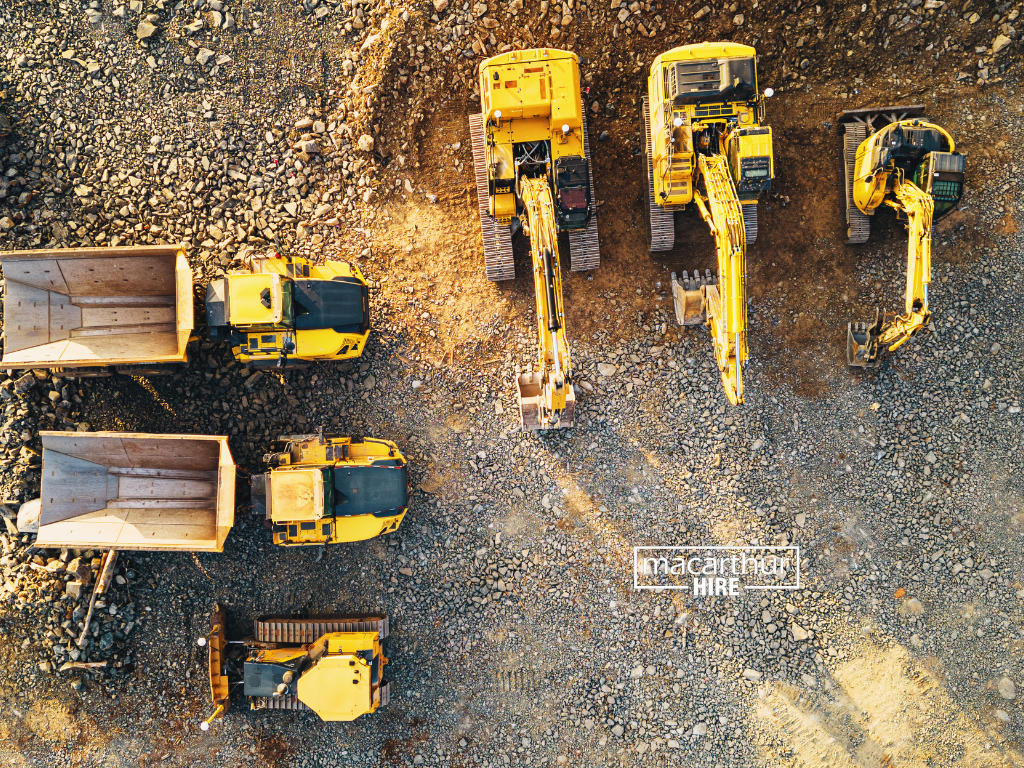
A kubota excavator is commonly used for excavation, trenching, landscaping, earthmoving, and site preparation work. Compact excavators are particularly useful when working in restricted spaces where larger machinery may not be practical.
They are often chosen for:
Selecting the correct machine size is important because it can improve efficiency and reduce unnecessary operating costs.
The type of equipment required often depends on how materials, machinery, and supplies will be transported.
For example, a landscaping contractor may require excavation equipment alongside a transport vehicle capable of carrying materials and tools between sites. Understanding project requirements in advance can help businesses select equipment that supports both productivity and operational efficiency.
A 2 Ton Tray Truck is often used when businesses need a practical vehicle for transporting equipment, construction materials, landscaping supplies, or general cargo.
Its open tray design makes loading and unloading straightforward, making it suitable for a wide range of commercial applications. Contractors, builders, and maintenance teams frequently use tray trucks because they offer versatility and accessibility.
A 2 Ton Fuso Tray Truck may be preferred when businesses require a reliable transport solution capable of handling regular deliveries or equipment movement between sites.
Depending on project requirements, these vehicles can help improve logistics and support more efficient operations. Choosing the right vehicle often comes down to payload requirements, site access, and the type of materials being transported.
When deciding between equipment for rent and purchasing machinery, businesses should consider:
If equipment will only be used occasionally, hiring may provide better value. If it will be used consistently throughout the year, ownership may be worth considering.
A Truck rental guide can help businesses understand vehicle sizes, payload capacities, licensing requirements, and transport suitability before hiring.
This information allows companies to choose equipment that matches project needs while avoiding unnecessary costs or operational limitations. Planning ahead often leads to more efficient equipment selection and improved project outcomes.

Businesses should consider truck rental macarthur or equipment hire solutions when:
Seeking advice early can help businesses identify suitable equipment before project deadlines become critical.
To receive accurate recommendations and pricing, it helps to prepare:
For businesses operating throughout the Macarthur region and surrounding areas, Macarthur Hire can assist with equipment selection and provide access to a range of machinery and transport solutions suited to different project requirements.